
Digital Accessibility for High-Tech Manufacturing
Make Devices Inclusive While Reducing Legal and Compliance Risk
Accessibility is no longer optional. Devices that are difficult for users with disabilities to navigate can lead to lost sales and legal exposure. In high-tech manufacturing, accessibility gaps extend beyond software to hardware interfaces, touchscreens, voice controls and connected Internet of Things (IoT) devices.
Aspiritech helps manufacturers embed accessibility into design and development, ensuring compliance with WCAG and ADA standards while improving usability for all customers.
The Challenge: Making Digital Health Accessible for All
High-tech devices often combine complex hardware, embedded software and mobile interfaces. Accessibility is frequently considered late in the design process, resulting in costly retrofits that are time-consuming and prone to errors. Many teams lack specialized expertise in ADA and WCAG requirements, leaving gaps in usability testing across both hardware and software components.
These challenges are compounded by regulatory scrutiny and growing customer expectations for inclusive design. Ignoring accessibility can lead to lawsuits and reputational damage, as well as delayed product launches. These are risks that manufacturers cannot afford in a competitive market.
The Cost to Fix Bugs Increases in Later Development Stages
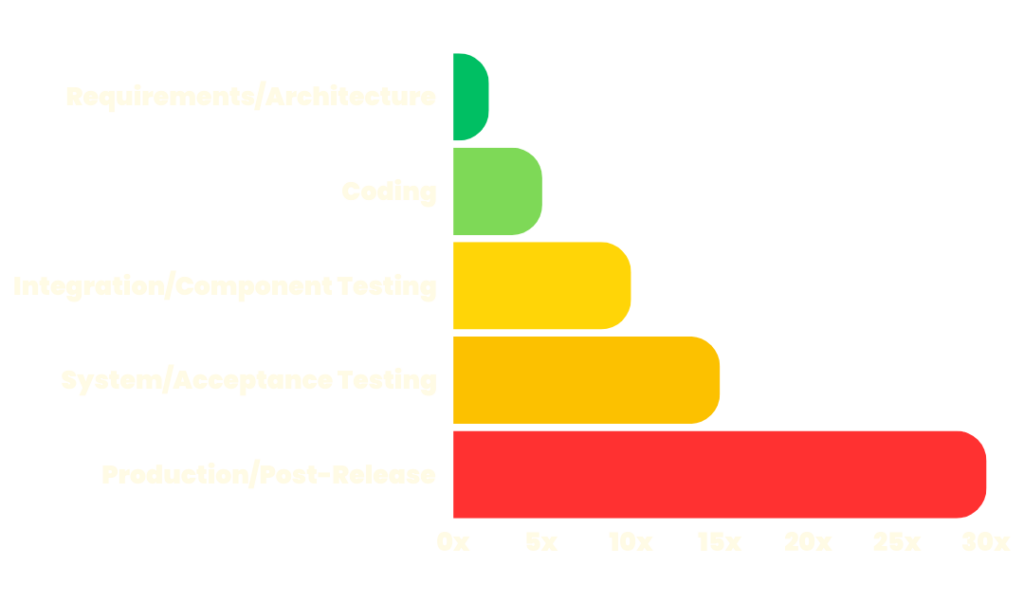
Source: National Institute of Standards & Technology
The effort—and cost—involved in identifying and fixing defects increases exponentially as software moves through the development cycle.
We’ll help your team identify and remediate accessibility issues in the testing phases, which mitigates costs and prevents major outages and downtime.
The Solution: Disability-Informed Accessibility Testing
Aspiritech delivers end-to-end accessibility solutions for devices and electronics. We start with human-led audits, using assistive technology to evaluate both software and hardware interfaces. Findings are translated into prioritized remediation roadmaps aligned with your release schedules, ensuring compliance without slowing innovation.
Accessibility must be embedded into every stage of product development. Ongoing testing prevents regressions, while team training empowers engineers and designers to build accessibility into workflows. By considering disabled users’ needs throughout the process, compliance becomes a strategic differentiator, not a reactive requirement.
Outcomes That Matter
Organizations that partner with Aspiritech see tangible results:
- Reduced ADA and WCAG compliance risk across interfaces and devices
- Improved usability for all customers, increasing satisfaction and adoption rates
- Faster compliance timelines, reducing delays to market
- Stronger brand trust and market reputation as an inclusive and responsible manufacturer
- Scalable processes that embed accessibility into every product release
By designing inclusive devices, manufacturers reach a broader audience while protecting their brand and minimizing legal risk.

Get Better Digital Accessibility Solutions Now
Let Us Know How We Can Help!
High-tech manufacturing teams that partner with Aspiritech confidently produce devices that meet accessibility standards and make happy customers, turning compliance into a competitive advantage.
Send us an email or set up a time to discuss how we can help build accessibility into your product development cycle and create better outcomes for all.
Case Study: Bringing Accessibility Compliance to ICONICS' Industrial Scheduling Platforms
ICONICS builds the automation and data analytics software that keeps manufacturing and industrial operations running. When they needed independent verification that two of their scheduling platforms met WCAG 2.1 accessibility standards, they turned to Aspiritech.
From Untested Platforms to a Clear Compliance Roadmap
Flex and OneLens had never been through a formal accessibility audit. With no baseline on record, ICONICS needed to know exactly where they stood against WCAG 2.1 and exactly what it would take to get compliant. The stakes were real: Accessibility gaps create legal exposure, limit user reach and signal to enterprise buyers that a product is not enterprise-ready.
Methodical Testing Across Every Standard That Matters
Aspiritech’s neurodivergent accessibility analysts conducted structured WCAG 2.1 testing across both platforms. To do this, we:
- Tested 13 pages in Flex and 26 pages in OneLens, 39 pages of total coverage
- Evaluated against 31 Level A and 24 Level AA criteria, 55 WCAG 2.1 standards in total
- Delivered specific, actionable remediation recommendations for each finding
By combining technical rigor and systematic coverage, Aspiritech gave ICONICS a complete picture of where both platforms stood and exactly what remediation each defect required. ICONICS now has audit-ready accessibility reports for both systems and a prioritized roadmap to full WCAG 2.1 compliance.
Frequently Asked Questions About Digital Accessibility for High-Tech Manufacturers
Most manufacturers need to meet WCAG 2.1 and ADA requirements at minimum. Depending on the product and market, Section 508, EN 301 549 and emerging FCC regulations for connected devices may also apply. Aspiritech helps manufacturers identify which standards govern their specific products and builds compliance programs around those requirements.
As early as possible. Accessibility gaps caught during design and development cost a fraction of what retrofits cost after launch. Aspiritech embeds accessibility checkpoints throughout the product lifecycle so compliance is built in, not bolted on.
Yes. Many audits focus exclusively on software, but devices often combine touchscreens, physical controls, voice interfaces and connected mobile applications. Aspiritech evaluates both hardware and software components using assistive technology to identify usability gaps across the full user experience.
Manufacturers may face ADA litigation and regulatory findings, as well as reputational damage. Physical devices, kiosks and connected products are increasingly subject to legal scrutiny, particularly for organizations serving the public or government customers. Accessibility compliance is no longer a software-only concern.
Neurodivergent analysts bring exceptional attention to detail and lived experience to accessibility testing. These unique insights are crucial to rigorous WCAG testing. The result is more reliable results built on human-centered design.